
Dallas (214) 340-8885
Athens (903) 677-9090
Gun Barrel City (903) 887-4341
Dallas (214) 340-8885
Athens (903) 677-9090
Gun Barrel City (903) 887-4341
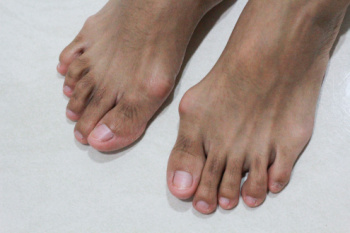
Bunions are a common foot deformity that develops when the big toe joint gradually moves out of alignment, creating a visible bump along the side of the foot. The area may look swollen, red, or enlarged, and the big toe may angle toward the smaller toes. It often feels sore or stiff, with pain that worsens after long periods of walking or wearing tight shoes. Some people also notice limited joint movement. Causes include genetics, abnormal foot structure, arthritis, and footwear that crowds the toes. A podiatrist can help from the start by examining foot alignment, evaluating symptoms, and confirming the diagnosis with imaging as needed. Early treatment may include footwear changes, padding, orthotics, and inflammation management. Care can then progress into activity modification or surgical options when conservative measures are no longer effective. Early evaluation helps slow progression and improve comfort. If you have a painful bunion, it is suggested that you make an appointment with a podiatrist.
If you are suffering from bunion pain, contact Dr. Jonathan Kletz of Texas Foot Works. Our doctor can provide the care you need to keep you pain-free and on your feet.
What Is a Bunion?
Bunions are painful bony bumps that usually develop on the inside of the foot at the joint of the big toe. As the deformity increases over time, it may become painful to walk and wear shoes. Women are more likely to exacerbate existing bunions since they often wear tight, narrow shoes that shift their toes together. Bunion pain can be relieved by wearing wider shoes with enough room for the toes.
Causes
Symptoms
In order to diagnose your bunion, your podiatrist may ask about your medical history, symptoms, and general health. Your doctor might also order an x-ray to take a closer look at your feet. Nonsurgical treatment options include orthotics, padding, icing, changes in footwear, and medication. If nonsurgical treatments don’t alleviate your bunion pain, surgery may be necessary.
If you have any questions, please feel free to contact one of our our offices located in Dallas, Athens, and Gun Barrel City, TX . We offer the newest diagnostic and treatment technologies for all your foot care needs.
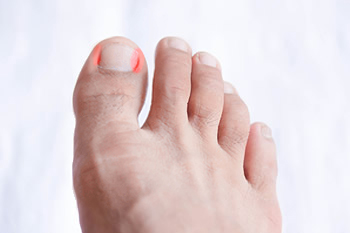
Understanding ingrown toenails is important because this common condition can cause significant discomfort when the edge of the nail grows into the surrounding skin. It affects people of all ages, but is more common in males due to nail shape, activity levels, and footwear choices. Early symptoms include redness, swelling, and tenderness along the nail border. Conservative care may help when the problem is mild, including warm foot soaks, careful nail lifting, proper trimming, protective dressings, and medication, if infection is present. When symptoms continue or return, non-conservative options provide more lasting relief. In office procedures can safely remove the offending nail edge and, when appropriate, prevent that part from growing back. These treatments are quick and allow patients to resume routine activities with little downtime. If you have a painful ingrown toenail, it is suggested that you see a podiatrist who can determine the best treatment to ease pain and prevent complications.
Ingrown toenails may initially present themselves as a minor discomfort, but they may progress into an infection in the skin without proper treatment. For more information about ingrown toenails, contact Dr. Jonathan Kletz of Texas Foot Works. Our doctor can provide the care you need to keep you pain-free and on your feet.
Ingrown Toenails
Ingrown toenails are caused when the corner or side of a toenail grows into the soft flesh surrounding it. They often result in redness, swelling, pain, and in some cases, infection. This condition typically affects the big toe and may recur if it is not treated properly.
Causes
You are more likely to develop an ingrown toenail if you are obese, have diabetes, arthritis, or have any fungal infection in your nails. Additionally, people who have foot or toe deformities are at a higher risk of developing an ingrown toenail.
Symptoms
Some symptoms of ingrown toenails are redness, swelling, and pain. In rare cases, there may be a yellowish drainage coming from the nail.
Treatment
Ignoring an ingrown toenail can have serious complications. Infections of the nail border can progress to a deeper soft-tissue infection, which can then turn into a bone infection. You should always speak with your podiatrist if you suspect you have an ingrown toenail, especially if you have diabetes or poor circulation.
If you have any questions, please feel free to contact one of our our offices located in Dallas, Athens, and Gun Barrel City, TX . We offer the newest diagnostic and treatment technologies for all your foot care needs.

Swollen feet, or edema, occur when excess fluid collects in the tissues of the feet and ankles, leading to puffiness, discomfort, and difficulty walking. While swelling can be linked to heart failure, where the heart cannot pump blood effectively, other causes include kidney or liver problems, poor circulation, prolonged standing or sitting, pregnancy, and certain medications. Recognizing the underlying cause is essential for preventing complications and maintaining mobility. A podiatrist can evaluate swelling, assess foot and ankle health, and provide treatments such as compression therapy, supportive footwear recommendations, and guidance on lifestyle changes to reduce fluid retention. If your feet are swollen, it is suggested that you consult a podiatrist who can determine what the cause is, and offer effective relief and management solutions.
Swollen feet can be a sign of an underlying condition. If you have any concerns, contact Dr. Jonathan Kletz of Texas Foot Works. Our doctor can provide the care you need to keep you pain-free and on your feet.
Swollen feet are a common ailment among pregnant women and people who stand or sit for extended periods. Aging may increase the possibility of swollen feet and patients who are obese often notice when their feet are swelling too. There may be medical reasons why swollen feet occur:
Swollen feet can also be caused by bone and tendon conditions, including fractures, arthritis, and tendinitis. Additionally, there may be skin and toenail conditions and an infection may cause the feet to swell. Patients who take medicine to treat high blood pressure may be prone to getting swollen feet.
Many patients elevate their feet to help relieve the swelling and this is generally a temporary remedy. When a podiatrist is consulted the reason behind the swelling can be uncovered and subsequently treated.
If you have any questions please contact one of our our offices located in Dallas, Athens, and Gun Barrel City, TX . We offer the newest diagnostic and treatment technologies for all your foot and ankle needs.

Have your child's feet been examined lately? Healthy feet are happy feet. If your child is complaining of foot pain, it may be a sign of underlying problems.

Peripheral neuropathy affects the nerves that carry signals between the feet and the brain. When these nerves are damaged, sensation in the feet may become reduced, altered, or unpredictable. People may not fully feel the ground, notice changes in surface texture, or sense foot position during walking. This loss of feedback can interfere with balance and coordination, increasing the risk of tripping or falling. Muscle weakness and slower reaction times can further add to instability. A podiatrist plays an important role in evaluating nerve function and identifying contributing factors. Treatment may include footwear guidance, custom orthotics, balance-focused exercises, and strategies to protect numb areas of the feet. Early care helps improve safety, maintain confidence with walking, and reduce fall-related injuries that can significantly impact mobility and independence. If you are experiencing neuropathy in your lower extremities, it is suggested that you visit a podiatrist for relief options.
Neuropathy
Neuropathy can be a potentially serious condition, especially if it is left undiagnosed. If you have any concerns that you may be experiencing nerve loss in your feet, consult with Dr. Jonathan Kletz from Texas Foot Works. Our doctor will assess your condition and provide you with quality foot and ankle treatment for neuropathy.
What Is Neuropathy?
Neuropathy is a condition that leads to damage to the nerves in the body. Peripheral neuropathy, or neuropathy that affects your peripheral nervous system, usually occurs in the feet. Neuropathy can be triggered by a number of different causes. Such causes include diabetes, infections, cancers, disorders, and toxic substances.
Symptoms of Neuropathy Include:
Those with diabetes are at serious risk due to being unable to feel an ulcer on their feet. Diabetics usually also suffer from poor blood circulation. This can lead to the wound not healing, infections occurring, and the limb may have to be amputated.
Treatment
To treat neuropathy in the foot, podiatrists will first diagnose the cause of the neuropathy. Figuring out the underlying cause of the neuropathy will allow the podiatrist to prescribe the best treatment, whether it be caused by diabetes, toxic substance exposure, infection, etc. If the nerve has not died, then it’s possible that sensation may be able to return to the foot.
Pain medication may be issued for pain. Electrical nerve stimulation can be used to stimulate nerves. If the neuropathy is caused from pressure on the nerves, then surgery may be necessary.
If you have any questions, please feel free to contact one of our our offices located in Dallas, Athens, and Gun Barrel City, TX . We offer the newest diagnostic and treatment technologies for all your foot care needs.