
Dallas (214) 340-8885
Athens (903) 677-9090
Gun Barrel City (903) 887-4341
Dallas (214) 340-8885
Athens (903) 677-9090
Gun Barrel City (903) 887-4341

A bunion is a bony bump that forms on the joint at the base of the big toe. It occurs when the big toe pushes against the next toe, causing the joint to stick out and become misaligned. Common causes include genetics, foot structure, arthritis, and wearing tight or ill-fitting shoes. Symptoms of a bunion include pain, swelling, redness, and restricted movement of the big toe. The area may feel sore or irritated, especially when wearing shoes. Over time, the bump can become more pronounced and painful. A podiatrist can diagnose a bunion through a physical exam and may use X-rays to assess the severity and alignment of the toe joint. Treatment options range from conservative measures like padding, orthotics, and anti-inflammatory medication to surgical correction in more advanced cases. If you are dealing with a painful bunion, it is suggested that you make an appointment with a podiatrist for evaluation and treatment.
If you are suffering from bunion pain, contact Dr. Jonathan Kletz of Texas Foot Works. Our doctor can provide the care you need to keep you pain-free and on your feet.
What Is a Bunion?
Bunions are painful bony bumps that usually develop on the inside of the foot at the joint of the big toe. As the deformity increases over time, it may become painful to walk and wear shoes. Women are more likely to exacerbate existing bunions since they often wear tight, narrow shoes that shift their toes together. Bunion pain can be relieved by wearing wider shoes with enough room for the toes.
Causes
Symptoms
In order to diagnose your bunion, your podiatrist may ask about your medical history, symptoms, and general health. Your doctor might also order an x-ray to take a closer look at your feet. Nonsurgical treatment options include orthotics, padding, icing, changes in footwear, and medication. If nonsurgical treatments don’t alleviate your bunion pain, surgery may be necessary.
If you have any questions, please feel free to contact one of our our offices located in Dallas, Athens, and Gun Barrel City, TX . We offer the newest diagnostic and treatment technologies for all your foot care needs.

Recovery from an ankle fracture requires time, support, and the right care to ensure proper healing. Rest is essential, especially in the early stages, to allow the bones to mend without added stress. Protecting the ankle with a cast, boot, or brace helps keep it stable and in proper alignment. Gradual weight bearing, as guided by a podiatrist, is important to rebuild strength without causing further injury. Targeted exercise plays a key role in restoring range of motion, balance, and muscle strength as healing progresses. Following instructions carefully and attending follow-up appointments help track recovery and address any concerns early. Ignoring symptoms or returning to activity too soon can delay healing or cause setbacks. If you are recovering from an ankle fracture, it is suggested that you see a podiatrist for ongoing evaluation and a treatment plan designed for a full and safe recovery.
Broken ankles need immediate treatment. If you are seeking treatment, contact Dr. Jonathan Kletz from Texas Foot Works. Our doctor can provide the care you need to keep you pain-free and on your feet.
Broken Ankles
A broken ankle is experienced when a person fractures their tibia or fibula in the lower leg and ankle area. Both of these bones are attached at the bottom of the leg and combine to form what we know to be our ankle.
When a physician is referring to a break of the ankle, he or she is usually referring to a break in the area where the tibia and fibula are joined to create our ankle joint. Ankles are more prone to fractures because the ankle is an area that suffers a lot of pressure and stress. There are some obvious signs when a person experiences a fractured ankle, and the following symptoms may be present.
Symptoms of a Fractured Ankle
If you suspect an ankle fracture, it is recommended to seek treatment as soon as possible. The sooner you have your podiatrist diagnose the fracture, the quicker you’ll be on the way towards recovery.
If you have any questions, please feel free to contact one of our our offices located in Dallas, Athens, and Gun Barrel City, TX . We offer the newest diagnostic and treatment technologies for all your foot care needs.

Preventing falls at home is essential for keeping children safe as they explore their surroundings. Using stationary walkers and playpens can provide secure play areas, while installing safety gates helps block access to stairs and other risky spots. It is important to keep stairs clear of clutter and avoid placing toys or tempting items on top of furniture where children might climb. Despite precautions, falls can still occur and may lead to foot injuries, such as sprains, fractures, or bruises. A podiatrist can assess the extent of these injuries, provide proper treatment, and guide recovery with supportive footwear. If your child has balance issues or sustained a foot or ankle injury from falling, it is suggested that you confer with a podiatrist who can treat various injuries, and guide you effective fall prevention techniques.
Preventing falls among the elderly is very important. If you are older and have fallen or fear that you are prone to falling, consult with Dr. Jonathan Kletz from Texas Foot Works. Our doctor will assess your condition and provide you with quality advice and care.
Every 11 seconds, an elderly American is being treated in an emergency room for a fall related injury. Falls are the leading cause of head and hip injuries for those 65 and older. Due to decreases in strength, balance, senses, and lack of awareness, elderly persons are very susceptible to falling. Thankfully, there are a number of things older persons can do to prevent falls.
How to Prevent Falls
Some effective methods that older persons can do to prevent falls include:
Falling can be a traumatic and embarrassing experience for elderly persons; this can make them less willing to leave the house, and less willing to talk to someone about their fears of falling. Doing such things, however, will increase the likelihood of tripping or losing one’s balance. Knowing the causes of falling and how to prevent them is the best way to mitigate the risk of serious injury.
If you have any questions, please feel free to contact one of our our offices located in Dallas, Athens, and Gun Barrel City, TX . We offer the newest diagnostic and treatment technologies for all your foot care needs.
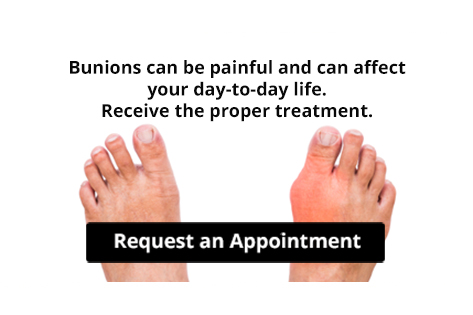
Have you noticed a bony protrusion on the side of your big toe? If so, you may have developed the foot condition known as a bunion. Don't let bunions interfere with your daily activities.

As the years go by, it can become more difficult to keep up with routines that once felt simple. Bending, reaching, or even seeing the bottoms of the feet clearly can pose challenges. Dry skin, thickened nails, and calluses may go unnoticed or untreated, especially when vision or balance is not what it used to be. Some people may not feel pain as easily due to reduced sensation, which can allow small issues to grow into larger problems. Managing these concerns on your own is not always realistic, and it is common for older people to need a bit of help maintaining foot comfort and safety. Regular check-ins with a foot specialist can make a big difference. If taking care of your feet feels harder than it once did, it is suggested that you see a podiatrist for proper guidance and treatment.
If you need your feet checked, contact Dr. Jonathan Kletz of Texas Foot Works. Our doctor will attend to all of your foot and ankle needs and provide you with quality treatment.
Geriatrics and Podiatry
When people age, some common issues that may occur are bone density loss, dry skin, poor circulation, and rough brittle nails. These issues may also affect your foot health if the necessary steps are not taken to alleviate the problems.
It is important to take care of your feet because feet that are injured or diseased can affect your overall health. Having painful feet hinders your ability to do daily activities or may decrease your willingness to do the things that you need to do.
Visiting Your Geriatrician
As we age, health problems become more likely, so it is essential to visit your doctor for check-ups to ensure that you are doing the best you can to take care of your health. It is recommended to check your feet frequently for any possible cuts, bruises, swelling, corns or any other irregularities.
Taking Care of Elderly Feet
Cracked or dry feet can be treated by applying moisturizer often. It is also important not to wear old socks because the older the sock is, the higher the possibility there will be that there is bacteria there. Wear fresh socks and make sure they fit properly.
Proper foot health means that you can have a more active lifestyle and you will not be bogged down by pain. Foot health also leads to good circulation, which is paramount for overall health.
If you have any questions, please feel free to contact one of our our offices located in Dallas, Athens, and Gun Barrel City, TX . We offer the newest diagnostic and treatment technologies for all your foot care needs.