

Dallas (214) 340-8885
Athens (903) 677-9090
Gun Barrel City (903) 887-4341

Leave Google Review for podiatrist Jonathan M. Kletz, DPM of Texas Foot Works
Texas Foot Works

Women’s Foot Health and Causes of Foot Pain

Women's feet face many changing demands throughout life, and certain shoe styles add pressure that contributes to pain. Narrow-fitting shoes squeeze the toes, while high heels shift body weight toward the ball of the foot. This pressure increases irritation around joints and nerves in the toes, feet, and ankles. High heels also affect balance and place added strain on the ankles. Pregnancy brings additional changes as increased body weight and looser ligaments affect foot support. Some women notice flatter arches or a change in shoe size while pregnant. Persistent foot pain should not be accepted as part of daily life.

A podiatrist evaluates these changes and identifies problems that interfere with comfortable movement. Burning pain in the ball of the foot sometimes signals Morton's neuroma. This is a thickening of tissue around a nerve between the toes. It usually affects the space between the third and fourth toes. Symptoms include tingling, numbness, or the feeling of a tiny pebble inside the shoe. Wearing tight shoes and repeated pressure from sports also contribute to nerve irritation. A podiatrist examines the painful area and checks for other possible causes. In some cases, ultrasound scans help clarify the diagnosis. Treatment includes carefully placed padding or custom orthotics to reduce pressure. For persistent symptoms, a podiatrist discusses additional treatments, which may include surgery.

Heel pain also affects many women, particularly when shoes lack proper support or daily activities repeatedly strain the feet. Plantar fasciitis involves irritation of the strong band of tissue connecting the heel to the toes. Pain frequently appears with the first steps after rest. However, heel pain also results from stress fractures or tendon problems, making an accurate diagnosis essential. A podiatrist assesses foot structure and walking patterns, then orders imaging tests when appropriate. Treatment addresses the cause through options like custom orthotics or prescribed supportive devices. If you are experiencing any of these foot problems, it is suggested that you schedule an appointment with a podiatrist for a diagnosis and appropriate treatment.

Everyday foot care is very important to prevent infection and other foot ailments. If you need your feet checked, contact Dr. Jonathan Kletz from Texas Foot Works. Our doctor can provide the care you need to keep you pain-free and on your feet.

Everyday Foot Care

Often, people take care of their bodies, face and hair more so than they do for their feet. But the feet are a very important aspect of our bodies, and one that we should pay more attention to. Without our feet, we would not be able to perform most daily tasks.

It is best to check your feet regularly to make sure there are no new bruises or cuts that you may not have noticed before. For dry feet, moisturizer can easily be a remedy and can be applied as often as necessary to the affected areas. Wearing shoes that fit well can also help you maintain good foot health, as well as making it easier to walk and do daily activities without the stress or pain of ill-fitting shoes, high heels, or even flip flops. Wearing clean socks with closed shoes is important to ensure that sweat and bacteria do not accumulate within the shoe. Clean socks help to prevent Athlete’s foot, fungi problems, bad odors, and can absorb sweat.

If you have any questions, please feel free to contact one of our our offices located in Dallas, Athens, and Gun Barrel City, TX . We offer the newest diagnostic and treatment technologies for all your foot care needs.


Read more about Every Day Foot Care

Foot Protection and High Heels

Foot pain from wearing high heels develops when this type of shoes change how body weight is distributed across the feet. Instead of spreading pressure evenly, heels shift more weight toward the forefoot, increasing stress on the ball of the foot and toes. Common symptoms include aching, burning, and tenderness that may worsen after several hours of wear. Some people also develop blisters or swelling around the toes. Although high heels can complement an outfit, wearing them frequently or for extended periods may contribute to ongoing discomfort and other foot problems.

High heels also change your natural walking pattern, which can affect balance and stability. The raised heel alters your gait by shortening your stride and changing how your foot contacts the ground. A narrow toe box may squeeze the toes together, increasing pressure and aggravating bunions or hammertoes. Walking in spiked heels can also increase the risk of ankle sprains and falls. Risk factors include wearing very high heels, choosing shoes that fit poorly, and spending long hours standing or walking on hard surfaces.


Another concern is the effect of high heels on the Achilles tendon, which connects the calf muscles to the heel bone. Regularly wearing high heels keeps the ankle in a downward-pointing position, allowing the tendon and calf muscles to remain shortened. This may contribute to tightness and discomfort when switching to flat shoes. Stretching the calves gently and alternating between lower-heeled, supportive footwear can help reduce strain. Choosing shoes with a wider toe box and limiting time spent in high heels may also improve comfort.


A podiatrist examines your feet, evaluates your gait, and identifies conditions that contribute to pain. Treatment may include shoe recommendations, custom orthotics, or care for tendon and joint problems. If you have foot pain from wearing high heels, it is suggested that you consult a podiatrist for an accurate diagnosis and appropriate treatment.

High heels have a history of causing foot and ankle problems. If you have any concerns about your feet or ankles, contact Dr. Jonathan Kletz from Texas Foot Works. Our doctor can provide the care you need to keep you pain-free and on your feet.

Effects of High Heels on the Feet

High heels are popular shoes among women because of their many styles and societal appeal.  Despite this, high heels can still cause many health problems if worn too frequently.

Which Parts of My Body Will Be Affected by High Heels?

  • Ankle Joints
  • Achilles Tendon – May shorten and stiffen with prolonged wear
  • Balls of the Feet
  • Knees – Heels cause the knees to bend constantly, creating stress on them
  • Back – They decrease the spine’s ability to absorb shock, which may lead to back pain.  The vertebrae of the lower back may compress.

What Kinds of Foot Problems Can Develop from Wearing High Heels?

  • Corns
  • Calluses
  • Hammertoe
  • Bunions
  • Morton’s Neuroma
  • Plantar Fasciitis

How Can I Still Wear High Heels and Maintain Foot Health?

If you want to wear high heeled shoes, make sure that you are not wearing them every day, as this will help prevent long term physical problems.  Try wearing thicker heels as opposed to stilettos to distribute weight more evenly across the feet.  Always make sure you are wearing the proper shoes for the right occasion, such as sneakers for exercising.  If you walk to work, try carrying your heels with you and changing into them once you arrive at work.  Adding inserts to your heels can help cushion your feet and absorb shock. Full foot inserts or metatarsal pads are available. 

If you have any questions, please feel free to contact one of our our offices located in Dallas, Athens, and Gun Barrel City, TX . We offer the newest diagnostic and treatment technologies for all your foot care needs.
Read more about Effect of High Heels on the Feet

It's Time for Beautiful Feet

You don't need an excuse to have beautiful nails. Step outside without worrying about the appearance of your feet.

Fall-Proof Your Home and Protect Your Feet

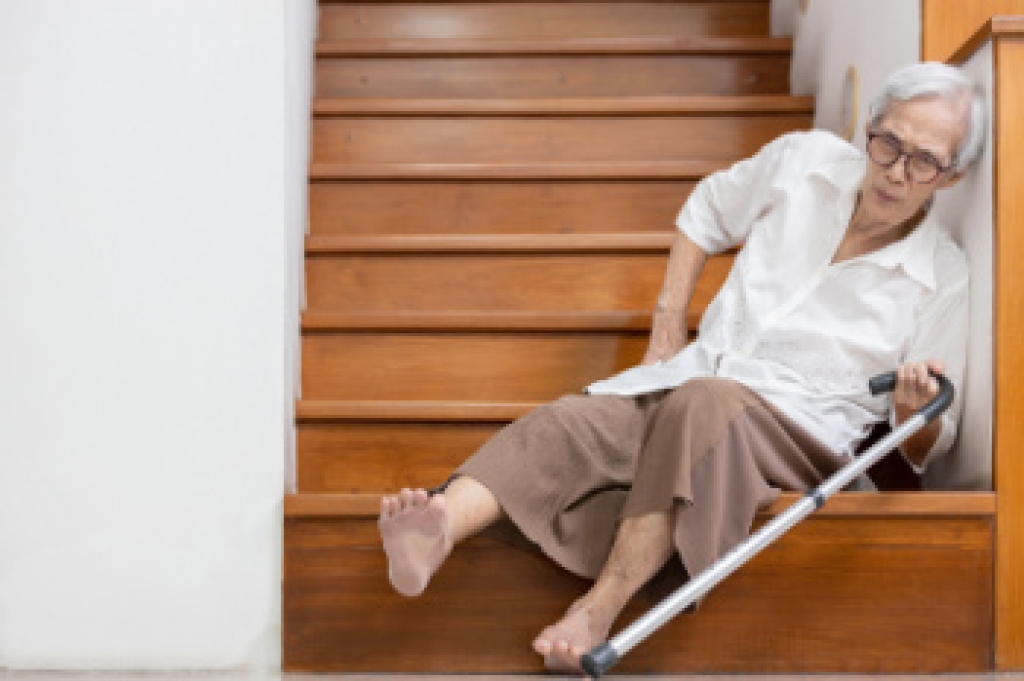
Falling at home is a common concern for older adults, and a simple stumble can cause injury. A fall happens when balance, vision, or footing is disrupted. Common symptoms after a fall include pain, swelling, or bruising. Tenderness, difficulty walking, or reduced movement may also be common. Persistent discomfort deserves attention. Falls can result in sprains, fractures, or damage to the toes and midfoot.

Several factors can increase the risk of falling at home. Loose rugs, cluttered walkways, and stairs can create hazards. Weakness, vision problems, and medications may also contribute. Seniors can reduce these risks by keeping pathways clear and securing or removing loose rugs. Installing brighter lighting and sturdy handrails can make movement around the home safer. Wearing supportive, properly fitted shoes instead of walking in socks can also improve stability.


Fall-proofing the home is especially important in areas used every day. Keep frequently used items within easy reach to avoid climbing or stretching. Use non-slip mats in areas where floors may become wet. A bathroom grab bar can provide additional support near the shower or toilet. After a fall, avoid putting weight on a painful foot or ankle. A podiatrist can examine the foot, check swelling and tenderness, and determine whether imaging is needed.


Treatment depends on the injury and its severity. A podiatrist may recommend rest, protective footwear, or temporary immobilization as needed. Bracing or supportive devices may help protect an injured area while it heals. A walking boot may protect a fracture while it heals. Follow-up visits can monitor healing and help determine when normal activity can safely resume and reduce the chance of another fall. If you have sustained a foot or ankle injury from falling at home, it is suggested that you consult a podiatrist for effective relief, treatment, and additional fall prevention tips.

Preventing falls among the elderly is very important. If you are older and have fallen or fear that you are prone to falling, consult with Dr. Jonathan Kletz from Texas Foot Works. Our doctor will assess your condition and provide you with quality advice and care.

Every 11 seconds, an elderly American is being treated in an emergency room for a fall related injury. Falls are the leading cause of head and hip injuries for those 65 and older. Due to decreases in strength, balance, senses, and lack of awareness, elderly persons are very susceptible to falling. Thankfully, there are a number of things older persons can do to prevent falls.

How to Prevent Falls

Some effective methods that older persons can do to prevent falls include:

  • Enrolling in strength and balance exercise program to increase balance and strength
  • Periodically having your sight and hearing checked
  • Discuss any medications you have with a doctor to see if it increases the risk of falling
  • Clearing the house of falling hazards and installing devices like grab bars and railings
  • Utilizing a walker or cane
  • Wearing shoes that provide good support and cushioning
  • Talking to family members about falling and increasing awareness

Falling can be a traumatic and embarrassing experience for elderly persons; this can make them less willing to leave the house, and less willing to talk to someone about their fears of falling. Doing such things, however, will increase the likelihood of tripping or losing one’s balance. Knowing the causes of falling and how to prevent them is the best way to mitigate the risk of serious injury.  

If you have any questions, please feel free to contact one of our our offices located in Dallas, Athens, and Gun Barrel City, TX . We offer the newest diagnostic and treatment technologies for all your foot care needs.
Read more about Falls Prevention

How a Podiatrist Diagnoses and Treats Broken Toes

A broken toe can result from stubbing the foot, dropping a heavy object on it, or taking a forceful step during sports. A big-toe fracture can be especially serious. The big toe helps the body balance and push forward while walking. Symptoms include pain, swelling, and bruising. The toe may also look crooked or feel too tender to touch. Some fractures extend into a joint or cause bone pieces to move out of position. A cut near the injury can signal an open fracture. This means the broken bone is exposed through a wound. Examination is important because a sprain, bone bruise, and fracture can cause similar symptoms.

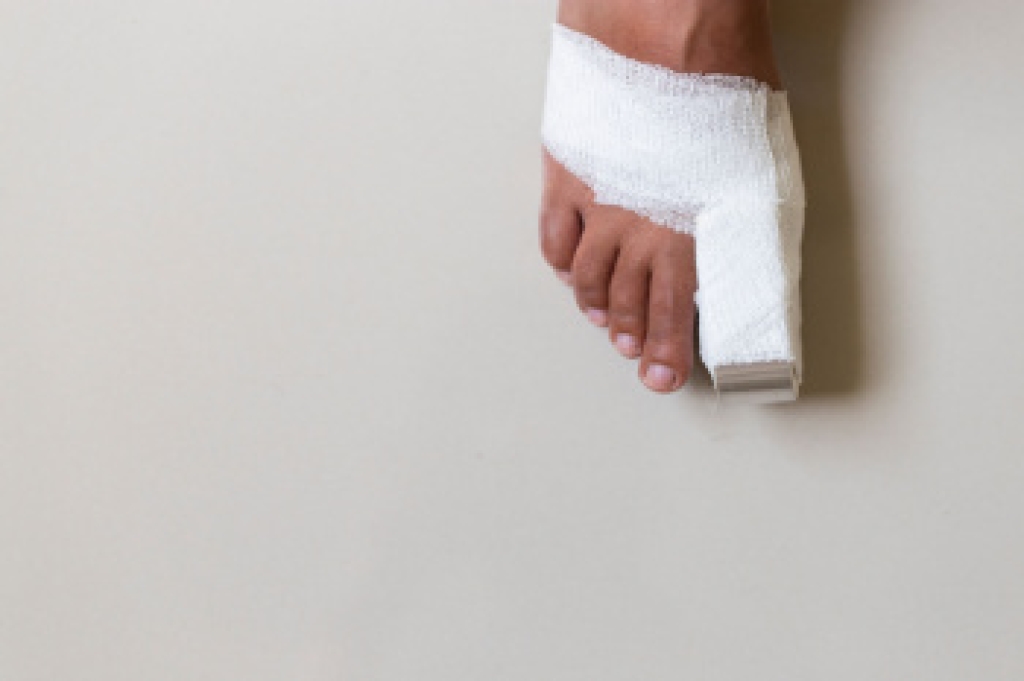
A podiatrist can assess the injured toe. X-rays can confirm a fracture and show its location, pattern, and severity. Other imaging tests can provide more detail when nearby tissue damage is suspected. Treatment depends on which toe is broken and whether the bone remains aligned. A podiatrist can reposition a displaced bone so it heals correctly. This foot doctor can also protect the toe with taping, a splint, or a stiff-soled medical shoe. These measures limit painful movement and reduce pressure on the injured toe. Follow-up X-rays can track healing before the patient returns to demanding activities. Many broken toes heal within several weeks, although recovery varies with the injury.

Severe fractures sometimes need surgery. This can be necessary when a break enters a joint, bone pieces are widely separated, or the toe remains unstable. Pins, screws, or plates can hold the bone in place while it heals. Early treatment can lower the risk of lasting stiffness, deformity, and pain. Urgent evaluation is important when the toe looks misshapen, the skin is broken, or numbness develops. People with diabetes or poor circulation should seek immediate care because healing problems can be more serious. If you have broken your toe, it is suggested that you schedule an appointment with a podiatrist for effective relief and treatment. 

A broken toe can be very painful and lead to complications if not properly fixed. If you have any concerns about your feet, contact Dr. Jonathan Kletz from Texas Foot Works. Our doctor will treat your foot and ankle needs.

What to Know About a Broken Toe

Although most people try to avoid foot trauma such as banging, stubbing, or dropping heavy objects on their feet, the unfortunate fact is that it is a common occurrence. Given the fact that toes are positioned in front of the feet, they typically sustain the brunt of such trauma. When trauma occurs to a toe, the result can be a painful break (fracture).

Symptoms of a Broken Toe

  • Throbbing pain
  • Swelling
  • Bruising on the skin and toenail
  • The inability to move the toe
  • Toe appears crooked or disfigured
  • Tingling or numbness in the toe

Generally, it is best to stay off of the injured toe with the affected foot elevated.

Severe toe fractures may be treated with a splint, cast, and in some cases, minor surgery. Due to its position and the pressure it endures with daily activity, future complications can occur if the big toe is not properly treated.

If you have any questions, please feel free to contact one of our our offices located in Dallas, Athens, and Gun Barrel City, TX . We offer the newest diagnostic and treatment technologies for all your foot care needs.

Read more about What to Know About a Broken Toe
Connect with us
Leave Google Review for podiatrist Jonathan M. Kletz, DPM of Texas Foot Works

Podiatrist Jonathan M. Kletz, DPM of Facebook Foot Doctor Jonathan M. Kletz, DPM on Twitter Podiatry Bog of Texas