


Dallas (214) 340-8885
Athens (903) 677-9090
Gun Barrel City (903) 887-4341

Leave Google Review for podiatrist Jonathan M. Kletz, DPM of Texas Foot Works
Texas Foot Works

Causes of Gymnastic Foot and Ankle Injuries

Gymnastics requires strength, flexibility, balance, and repeated impact on the feet and ankles, making athletes vulnerable to injuries. Foot or ankle injuries from gymnastics can occur from overuse, improper technique, or sudden stress during high-impact movements. Common injuries include ankle sprains and Achilles tendonitis. An ankle sprain happens when ligaments supporting the ankle stretch or tear, often during floor routines, landings, or falls from equipment such as the balance beam or parallel bars. Achilles tendonitis is inflammation of the Achilles tendon, which connects the calf muscles to the heel and often develops from repetitive stress caused by jumping and landing.

Symptoms of an ankle sprain may include pain, swelling, bruising, stiffness, and difficulty putting weight on the affected foot. Some athletes may feel instability or weakness when moving the ankle. Achilles tendonitis symptoms commonly include pain or tenderness along the back of the heel, stiffness in the morning, swelling, and discomfort that worsens during activity. Both conditions can limit performance and may become more severe if ignored. 


Several risk factors increase the chance of gymnastics-related foot and ankle injuries. Repetitive training and sudden increases in activity can place additional stress on joints and tendons. Poor landing mechanics, muscle weakness, and limited flexibility can add to this strain. Wearing improper footwear or training without adequate support may also contribute to injury. Gymnasts can help reduce impact by using footwear with reinforced toes designed to absorb pressure during landing. Proper warm ups, strength training, and flexibility exercises are also important for injury prevention.


Treatment and prevention strategies depend on the type and severity of the injury. Rest, activity modification, wearing supportive footwear, and podiatric guidance can help protect the foot and ankle while promoting recovery. A podiatrist can evaluate movement patterns, identify underlying problems, and recommend appropriate treatment options. If you have a foot or ankle injury from gymnastics, it is suggested that you consult a podiatrist for an accurate diagnosis and appropriate treatment.

Ankle and foot injuries are common among athletes and in many sports. They can be caused by several problems and may be potentially serious. If you are feeling pain or think you were injured in a sporting event or when exercising, consult with Dr. Jonathan Kletz from Texas Foot Works. Our doctor will assess your condition and provide you with quality foot and ankle treatment.

Common Injuries

The most common injuries that occur in sporting activities include:

  • Achilles Tendonitis
  • Achilles Tendon Rupture
  • Ankle Sprains
  • Broken Foot
  • Plantar Fasciitis
  • Stress Fractures
  • Turf Toe

Symptoms

Symptoms vary depending upon the injury and in some cases, there may be no symptoms at all. However, in most cases, some form of symptom is experienced. Pain, aching, burning, bruising, tenderness, tightness or stiffness, sensation loss, difficulty moving, and swelling are the most common symptoms.

Treatment

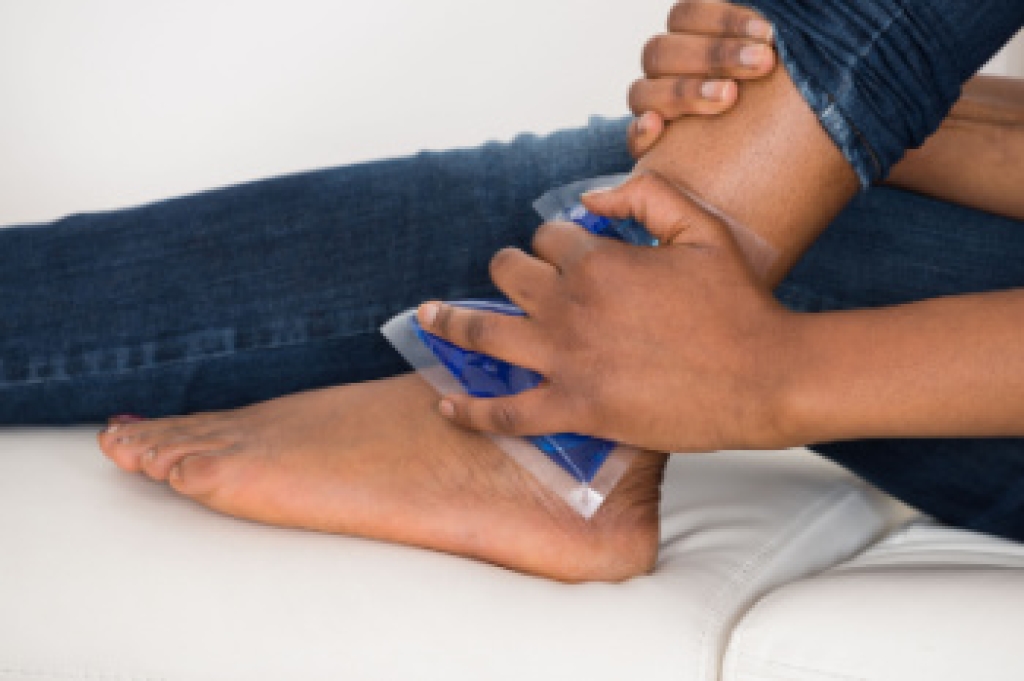
Just as symptoms vary depending upon the injury, so do treatment options. A common treatment method is known as the RICE method. This method involves rest, applying ice, compression and elevating the afflicted foot or ankle. If the injury appears to be more serious, surgery might be required, such as arthroscopic or reconstructive surgery. Lastly, rehabilitation or therapy might be needed to gain full functionality in the afflicted area. Any discomfort experienced by an athlete must be evaluated by a licensed, reputable medical professional.  

If you have any questions please contact one of our our offices located in Dallas, Athens, and Gun Barrel City, TX . We offer the newest diagnostic and treatment technologies for all your foot and ankle needs.

Read more about Sports Related Foot and Ankle Injuries

Understanding the Causes and Treatment for Bunions

Bunions are bony bumps that form at the base of the big toe when the joint shifts out of alignment. They can change the way you walk, and make every step uncomfortable. Many people wonder whether shoes cause bunions. The answer is more complicated. Genetics plays a major role because some people inherit foot shapes that make bunions more likely. Still, shoes that squeeze the toes or place extra pressure on the front of the foot can speed their development and make symptoms worse. Narrow toe boxes and high heels increase stress considerably, whereas supportive shoes help reduce stress.

A podiatrist can evaluate the shape of your feet, explain why the bunion developed, and recommend treatment that fits your needs. Care includes custom orthotics, changes in shoe choices, and careful monitoring of the joint. Early evaluation also helps protect nearby toes from added pressure while walking. Your podiatrist can answer questions about footwear that lacks proper support and explain which shoe features best match your foot shape and daily activities. Prompt care can also improve comfort and mobility. 

Ignoring bunion pain can limit daily activities and affect confidence with every step. Paying attention to early changes gives your podiatrist more options to slow worsening and keep you moving more comfortably. Choosing shoes with a wide toe box, good arch support, and low heels reduces pressure on the big toe joint. If you have symptoms of bunions, it is suggested that you schedule an appointment with a podiatrist for diagnosis and treatment. Early treatment can help reduce pain, improve foot function, and make everyday activities more comfortable. Prompt attention can improve comfort, protect foot function, and help you stay active with greater confidence for many years ahead without unnecessary pain each day. If you have developed a bunion, it is suggested that you consult a podiatrist who can offer effective relief and management solutions.

If you are suffering from bunions, contact Dr. Jonathan Kletz of Texas Foot Works. Our doctor can provide the care you need to keep you pain-free and on your feet.

What Is a Bunion?

A bunion is formed of swollen tissue or an enlargement of boney growth, usually located at the base joint of the toe that connects to the foot. The swelling occurs due to the bones in the big toe shifting inward, which impacts the other toes of the foot. This causes the area around the base of the big toe to become inflamed and painful.

Why Do Bunions Form?

Genetics – Susceptibility to bunions are often hereditary

Stress on the feet – Poorly fitted and uncomfortable footwear that places stress on feet, such as heels, can worsen existing bunions

How Are Bunions Diagnosed?

Podiatrists often perform two tests – blood tests and x-rays – when trying to diagnose bunions, especially in the early stages of development. Blood tests help determine if the foot pain is being caused by something else, such as arthritis, while x-rays provide a clear picture of your bone structure to your provider.

How Are Bunions Treated?

  • Refrain from wearing heels or similar shoes that cause discomfort
  • Select wider shoes that can provide more comfort and reduce pain
  • Anti-inflammatory and pain management drugs
  • Orthotics or foot inserts
  • Surgery

If you have any questions, please feel free to contact one of our our offices located in Dallas, Athens, and Gun Barrel City, TX . We offer the newest diagnostic and treatment technologies for all your foot care needs.

Read more about Bunions

Plantar Warts Can Be Treated!

Plantar warts are small growths that develop on parts of the feet that bear weight. They're typically found on the bottom of the foot. Don't live with plantar warts, and call us today!

How to Tell if You Have an Ankle Sprain

An ankle sprain occurs when the strong bands of tissue that hold the ankle bones together stretch beyond their normal limit and tear. Many people describe this injury as a rolled or twisted ankle. It can happen while playing sports, stepping off a curb, or slipping and falling. The damage ranges from a mild stretch to a complete tear. Symptoms include pain, swelling, bruising, stiffness, and trouble putting weight on the foot. A severe ankle sprain can make walking very difficult. Ignoring these signs can allow the injury to become more serious and increase the chance of lasting ankle weakness.

A podiatrist begins by asking how the injury happened and examining the ankle for tenderness, swelling, movement, and stability. The exam helps determine how badly the ligaments have been damaged. Imaging tests, like X-rays, ultrasounds, or MRI scans, also help rule out broken bones or show the extent of a ligament tear. Ankle sprains are grouped into three grades. Grade 1 involves a stretched ligament with a small tear. Grade 2 includes a larger tear with more swelling and discomfort, while grade 3 means the ligament has torn completely. Although surgery is uncommon, it is sometimes recommended for severe injuries or repeated sprains affecting the same ankle.

Prompt diagnosis gives the ankle the best chance to heal correctly and lowers the risk of future problems. A podiatrist can recommend a brace that protects the ankle, monitor healing, and determine when it is safe to return to normal activities. Patients with repeated sprains can receive a careful evaluation to identify factors that increase their risk. This includes stiff ankles, very flexible joints, or high arches. Early care also helps prevent ongoing instability that affects balance and may cause another sprain. Early evaluation also helps reduce unnecessary strain on nearby joints and muscles. If you have sprained your ankle, it is suggested that you promptly schedule an appointment with a podiatrist effective relief and treatment solutions. 

Although ankle sprains are common, they aren’t always minor injuries. If you need your ankle injury looked at, contact Dr. Jonathan Kletz from Texas Foot Works. Our doctor can provide the care you need to keep you pain-free and on your feet.

How Does an Ankle Sprain Occur?

Ankle sprains are the result of a tear in the ligaments within the ankle. These injuries may happen when you make a rapid shifting movement while your foot is planted. A less common way to sprain your ankle is when your ankle rolls inward while your foot turns outward.

What Are the Symptoms?

  • Pain at the sight of the tear
  • Bruising/Swelling
  • Ankle area is tender to touch
  • In severe cases, may hear/feel something tear
  • Skin discoloration

Preventing a Sprain

  • Wearing appropriate shoes for the occasion
  • Stretching before exercises and sports
  • Knowing your limits

Treatment of a Sprain

In many cases, the RICE method (Rest, Ice, Compression, and Elevate) is used to treat ankle sprains. However, you should see a podiatrist to see which treatment option would work best with your injury. In severe cases, surgery may be required.

It is important to ask your doctor about rehab options after you receive treatment for your injury. Stretching, strength training, and balance exercises may help the ankle heal while also preventing further injury.

If you have any questions, please feel free to contact one of our our offices located in Dallas, Athens, and Gun Barrel City, TX . We offer the newest diagnostic and treatment technologies for all your foot care needs.

Read more about Ankle Sprains

Foot Therapy for Healthy and Active Feet

Foot therapy includes a variety of treatments that help improve comfort, support healthy movement, and reduce foot pain. One approach used by some podiatrists is foot reflexology. Reflexology involves applying gentle pressure to specific areas of the feet. These areas, called reflex points, are believed to correspond with different parts of the body. Many patients find reflexology relaxing, and it can help reduce muscle tension while improving their overall sense of well-being. A podiatrist first evaluates the condition of the feet to determine whether reflexology is appropriate as part of a treatment plan. Patients with foot pain, stiffness, or tired feet can benefit from a professional evaluation before beginning any type of foot therapy.

A podiatrist begins with a detailed examination of the feet and ankles. The evaluation includes checking foot structure, muscle strength, and flexibility. The podiatrist also observes how the patient stands and walks because gait, or the body's walking pattern, provides valuable information about foot function. The examination identifies areas of tenderness, pressure, and reduced movement that can affect comfort and balance. Based on these findings, the podiatrist determines whether reflexology can complement other treatments that address the patient's specific foot condition. The goal is to improve comfort while supporting healthy foot function.

Foot reflexology is frequently combined with other podiatric treatments that address the underlying cause of foot pain. Care also includes custom orthotics that improve foot alignment and distribute pressure more evenly across the feet. Guided exercises can strengthen the muscles that support the feet and ankles while improving flexibility and balance. The podiatrist can recommend shoes that fit properly and provide good support for daily activities. Regular follow-up visits allow progress to be monitored and treatment to be adjusted as needed. If you have symptoms of foot pain or reduced foot function, it is suggested that you schedule an appointment with a podiatrist for diagnosis and treatment.

Foot therapy is often necessary for those recovering from either foot deformities or foot injuries. If you have concerns regarding therapy, consult with Dr. Jonathan Kletz from Texas Foot Works. Our doctor can provide the care you need to keep you pain-free and on your feet.

Most Common Injuries

People who are active or athletes are prone to a variety of injuries. Therefore, it is often important to take part in physical therapy in order to quickly get back on the right track. 

What to Do When Injured

Physical Therapy – This specialized treatment will focus on the affected area, speeding up recovery and the overall healing process. It is a proven method that has helped millions of people return from any injury.

During physical therapy you will undergo regimented training to get back into full form. Training is often very difficult, especially at first when the foot feels weak. Physical therapy often involves:

Basic stretching and twisting exercises – getting the feet’s mobility and flexibility up.

Massaging – the therapist will massage the injured area in order to activate the muscles and relax them.

Strengthening Exercises – this allows the muscles in the affected area to regain their full strength, a vital step towards full recovery.

If you have any questions, please feel free to contact one of our our offices located in Dallas, Athens, and Gun Barrel City, TX . We offer the newest diagnostic and treatment technologies for all your foot care needs.

Read more about Foot Therapy for Sports Injuries
Connect with us
Leave Google Review for podiatrist Jonathan M. Kletz, DPM of Texas Foot Works

Podiatrist Jonathan M. Kletz, DPM of Facebook Foot Doctor Jonathan M. Kletz, DPM on Twitter Podiatry Bog of Texas