

Dallas (214) 340-8885
Athens (903) 677-9090
Gun Barrel City (903) 887-4341

Leave Google Review for podiatrist Jonathan M. Kletz, DPM of Texas Foot Works
Texas Foot Works

Treating Plantar Fasciitis With Surgery

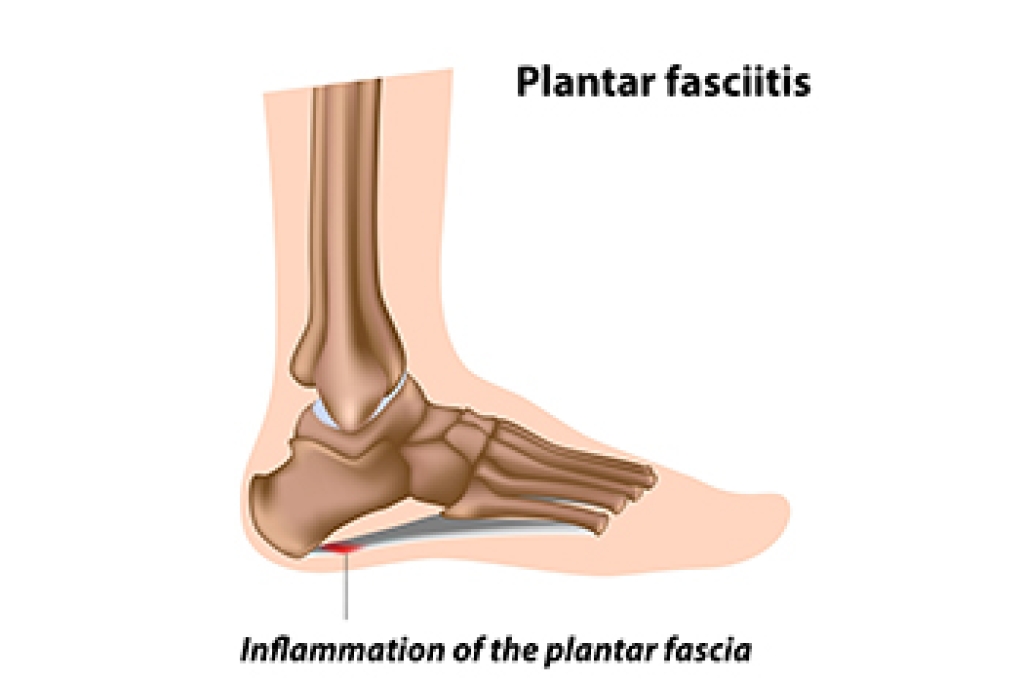
Plantar fasciitis is one of the most common foot conditions that causes heel pain. The plantar fascia is a long band composed of tissue, running from the heel to the toes. The plantar fascia also makes up the arch of the foot. When this band of tissue becomes irritated or inflamed, it is known as plantar fasciitis. This condition can be treated in several ways. If you do not respond to any of the less severe treatment options like orthotics or anti-inflammatory medications, you might be a candidate for a surgical procedure. The surgery, known as plantar fasciotomy, is a procedure that essentially moves the affected fascia away from the heel bone. This is done to ultimately reduce the tension that is causing the condition. There are two main kinds of surgery for plantar fasciitis. First, you may have an open surgery, which is performed in a hospital and includes making a 1-2 inch incision. Alternatively, you may have an endoscopic surgery, which involves making two small incisions that are less than half an inch deep. There are a variety of factors that can determine whether you are a candidate for this kind of surgery. If you are interested in this treatment and want to learn more, contact a podiatrist.

Plantar fasciitis can be very painful and inconvenient. If you are experiencing heel pain or symptoms of plantar fasciitis, contact Dr. Jonathan Kletz  from Texas Foot Works. Our doctor can provide the care you need to keep you pain-free and on your feet.

What Is Plantar Fasciitis?

Plantar fasciitis is the inflammation of the thick band of tissue that runs along the bottom of your foot, known as the plantar fascia, and causes mild to severe heel pain.

What Causes Plantar Fasciitis?

  • Excessive running
  • Non-supportive shoes
  • Overpronation
  • Repeated stretching and tearing of the plantar fascia

How Can It Be Treated?

  • Conservative measures – anti-inflammatories, ice packs, stretching exercises, physical therapy, orthotic devices
  • Shockwave therapy – sound waves are sent to the affected area to facilitate healing and are usually used for chronic cases of plantar fasciitis
  • Surgery – usually only used as a last resort when all else fails. The plantar fascia can be surgically detached from the heel

While very treatable, plantar fasciitis is definitely not something that should be ignored. Especially in severe cases, speaking to your doctor right away is highly recommended to avoid complications and severe heel pain. Your podiatrist can work with you to provide the appropriate treatment options tailored to your condition.

If you have any questions, please feel free to contact one of our our offices located in Dallas, Athens, and Gun Barrel City, TX . We offer the newest diagnostic and treatment technologies for all your foot care needs.

Read more about Plantar Fasciitis

Running Shoes for Specific Arches

Running shoes are worn for various reasons that can range from training for a marathon to getting in shape. The right shoes will fit correctly from the beginning and will not need a break-in period. It helps to wear shoes that have approximately a half inch of space between the top of the shoe and the top of the toe. This can help to improve comfort as running can negatively impact the feet. A shoe that fits slightly tighter is the running preference for speed. This type of shoe may provide a heel that is form-fitting and can hold the foot in place easily. It is important to be aware of the kind of arch the foot has and there are different types of running shoes that can be accommodating. Neutral running shoes will benefit those people who have medium arches and offer added shock absorption. People who have low or flat arches may want to choose stability running shoes as they may be helpful in minimizing overpronation. Motion control shoes can help runners who have excessive pronation since these shoes can help to stabilize the foot. A podiatrist is qualified in determining what type of running shoes are best for you, and it is suggested that you speak with this type of doctor who can provide you with correct information.

If you are a runner, wearing the right running shoe is essential. For more information, contact Dr. Jonathan Kletz from Texas Foot Works. Our doctor can provide the care you need to keep you pain-free and on your feet.

Choosing the Right Running Shoe for Your Foot Type

To increase performance and avoid the risk of injury, it is important to choose the right running shoe based on your foot type. The general design of running shoes revolves around pronation, which is how the ankle rolls from outside to inside when the foot strikes the ground.

  • Neutral runners are able to choose from a wide variety of shoes, including minimalist shoes or even going barefoot.
  • Runners who overpronate, or experience an over-abundance of ankle rolling, should choose shoes that provide extra motion control and stability.
  • Runners who underpronate, or supinate, have feet that have high arches and lack flexibility, preventing shock absorption. They require shoes with more flexibility and cushion.

If you have any questions, please feel free to contact one of our our offices located in Dallas, Athens, and Gun Barrel City, TX . We offer the newest diagnostic and treatment technologies for all your foot care needs.

Read more about Choosing the Right Running Shoe for Your Foot Type

Pain Around the Toenails

Although they make up relatively small areas of the toes, toenails are critical components of your feet. Therefore, when you are experiencing toenail pain, you should not ignore it. There are a variety of different potential causes to keep in mind that might be affecting your toenails. First, you might have experienced some kind of toenail trauma, from injuring the toenail, stubbing it, or cramming it into ill-fitting footwear. The trauma might cause the toenail to bruise underneath, which might feel painful. You may feel a sensation of pressure at the affected toenail. Second, your toenail pain might be caused by an ingrown toenail. This kind of condition occurs when the side of the toenail essentially grows into the skin surrounding the nail. It can occur if the nail is abnormally shaped, making it easy for the skin to grow on top of the nail. Third, your toenail pain might be a result of some kind of fungal infection, such as athlete’s foot. Fungal infections at or around the toenails can cause redness, a splitting in the nail, and significant pain. These are only some of the potential causes of your toenail pain. If you are experiencing toenail pain, consider contacting a podiatrist who can help you identify and address the problem.

Toe pain can disrupt your daily activities. If you have any concerns, contact Dr. Jonathan Kletz of Texas Foot Works. Our doctor can provide the care you need to keep you pain-free and on your feet.

What Causes Toe Pain?

Most severe toe pain is caused due to a sports injury, trauma from dropping something heavy on the toe, or bumping into something rigid. Other problems can develop over time for various reasons.

Toe pain can be caused by one or more ailments. The most common include:

  • Trauma
  • Sports injury
  • Wearing shoes that are too tight
  • Arthritis
  • Gout
  • Corns and calluses
  • Hammertoe
  • Bunions
  • Blisters
  • Ingrown toenails
  • Sprains
  • Fractures (broken bones)
  • Dislocations

When to See a Podiatrist

  • Severe pain
  • Persistent pain that lasts more than a week
  • Signs of infection
  • Continued swelling
  • Pain that prevents walking

Diagnosis

In many cases the cause of toe pain is obvious, but in others, a podiatrist may want to use more advanced methods to determine the problem. These can range from simple visual inspections and sensation tests to X-rays and MRI scans. Prior medical history, family medical history, and any recent physical traumatic events will all be taken into consideration for a proper diagnosis.

Treatment

Treatments for toe pain and injuries vary and may include shoe inserts, padding, taping, medicines, injections, and in some cases, surgery. If you believe that you have broken a toe, please see a podiatrist as soon as possible.

If you have any questions please contact one of our our offices located in Dallas, Athens, and Gun Barrel City, TX . We offer the newest diagnostic and treatment technologies for all your foot and ankle needs.

Read more about Toe Pain

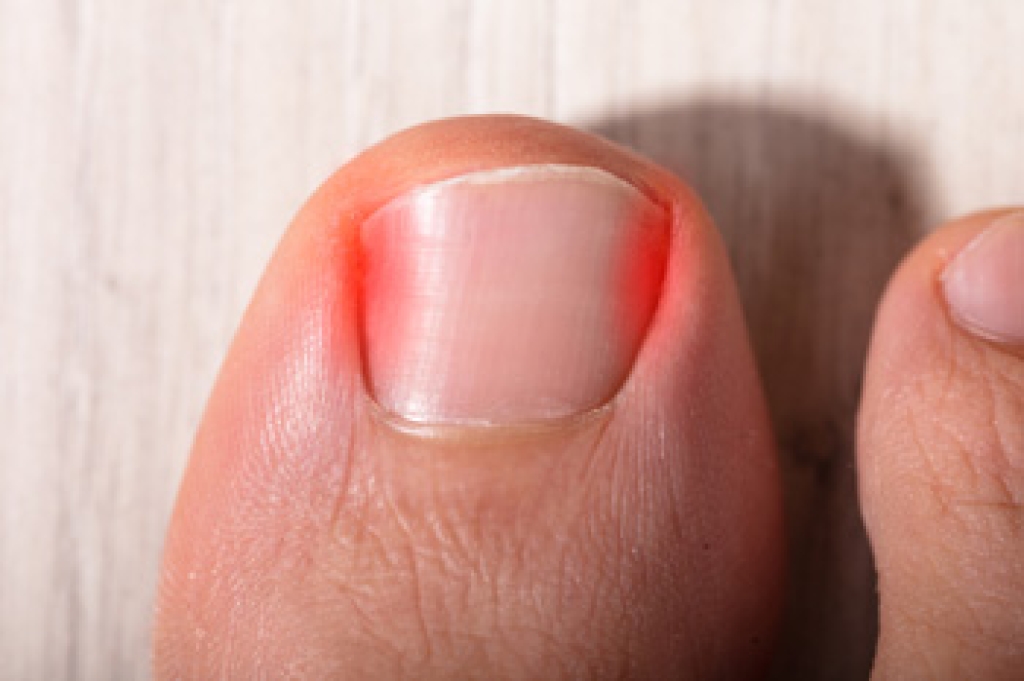
Are You Suffering From Ingrown Toenails?

If left untreated, an ingrown toenail can lead to more serious concerns, such as an infection. Knowing proper nail care can help in the prevention of an ingrown toenail. Give us a call, and get treated!

Ways to Help Reduce Swollen Feet During Pregnancy

Pregnant women produce about 50% more body fluids and blood than a developing baby needs for normal growth. This can lead to swelling in the overall body, including the ankles and feet. This is referred to as edema and may become worse as the pregnancy progresses. Research has indicated that extra fluid accounts for 25% of the total weight most women gain during their pregnancy. There may be additional reasons why there may be more swelling than usual, including heat from the summer months, standing for extended periods of time, and a diet that may be low in potassium. Among the effective relief methods are frequently elevating the feet, drinking plenty of fresh water daily, and reducing sodium intake. It also may help to wear loose clothing and apply cold compresses on swollen areas of the body. Wearing supportive tights or stockings may help to relieve some of the swelling. It is beneficial to refrain from drinking anything that is made with caffeine. If you have swollen feet and would like to know additional ways of managing this condition, please consult with a podiatrist who can answer any questions you may have.

Pregnant women with swollen feet can be treated with a variety of different methods that are readily available. For more information about other cures for swollen feet during pregnancy, consult with Dr. Jonathan Kletz from Texas Foot Works. Our doctor will attend to all of your foot and ankle needs.

What Foot Problems Can Arise During Pregnancy?

One problem that can occur is overpronation, which occurs when the arch of the foot flattens and tends to roll inward.  This can cause pain and discomfort in your heels while you’re walking or even just standing up, trying to support your baby.  

Another problem is edema, or swelling in the extremities. This often affects the feet during pregnancy but tends to occur in the later stages. 

How Can I Keep My Feet Healthy During Pregnancy?

  • Wearing orthotics can provide extra support for the feet and help distribute weight evenly
  • Minimize the amount of time spent walking barefoot
  • Wear shoes with good arch support
  • Wear shoes that allow for good circulation to the feet
  • Elevate feet if you experience swelling
  • Massage your feet
  • Get regular, light exercise, such as walking, to promote blood circulation to the feet

If you have any questions, please feel free to contact one of our our offices located in Dallas, Athens, and Gun Barrel City, TX . We offer the newest diagnostic and treatment technologies for all your foot care needs.

Read more about Pregnancy and Foot Health
Connect with us
Leave Google Review for podiatrist Jonathan M. Kletz, DPM of Texas Foot Works

Podiatrist Jonathan M. Kletz, DPM of Facebook Foot Doctor Jonathan M. Kletz, DPM on Twitter Podiatry Bog of Texas