

Dallas (214) 340-8885
Athens (903) 677-9090
Gun Barrel City (903) 887-4341

Leave Google Review for podiatrist Jonathan M. Kletz, DPM of Texas Foot Works
Texas Foot Works

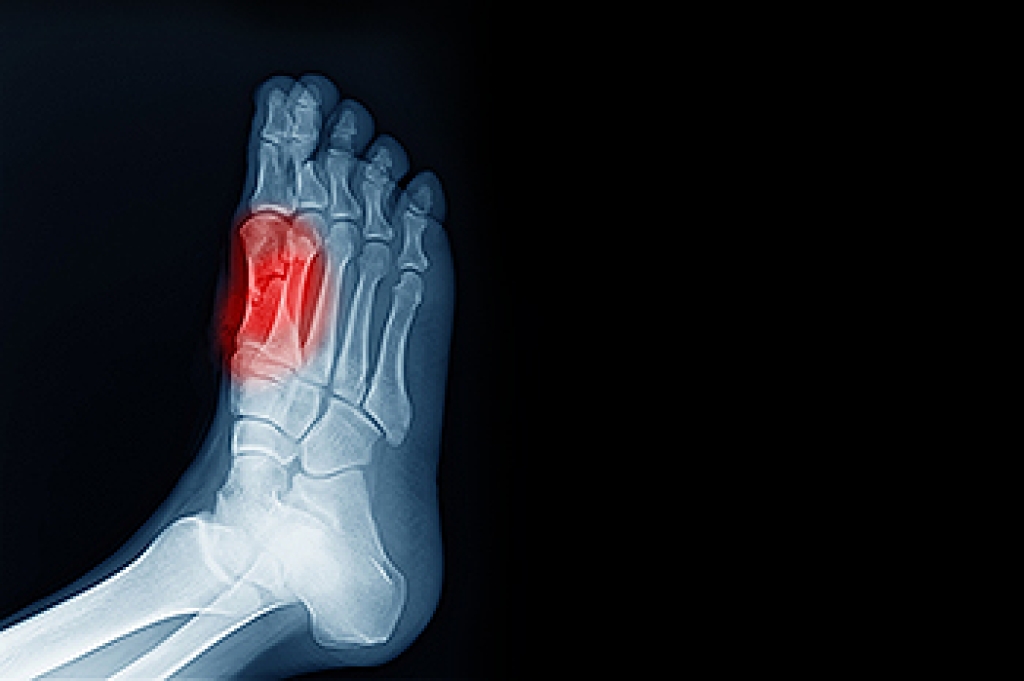
Two Small Bones in the Foot Can Cause Big Pain

Two tiny bones under the big toe joint, called sesamoids, help the foot handle pressure while walking and running. When these bones or the surrounding tissue become irritated, inflammation can develop. This often causes pain beneath the base of the big toe, especially when walking, standing for long periods of time, or wearing thin-soled or high-heeled shoes. The area may feel swollen, warm, or tender, and bending the big toe can make the pain worse. Repeated stress from dancing, jogging, or wearing poor-fitting shoes often leads to this problem. A podiatrist can examine the foot, check for swelling, and order X-rays to rule out a fracture or arthritis. Treatment of sesamoiditis includes custom orthotics, offloading pads that reduce pressure, and supportive shoes with thicker soles. Pain also can be relieved with anti-inflammatory medicine taken orally and injections to numb the painful area. If you have pain beneath the big toe joint, it is suggested that you schedule an appointment with a podiatrist for an accurate diagnosis and effective treatment.

Sesamoiditis is an unpleasant foot condition characterized by pain in the balls of the feet. If you think you’re struggling with sesamoiditis, contact Dr. Jonathan Kletz of Texas Foot Works. Our doctor will treat your condition thoroughly and effectively.

Sesamoiditis

Sesamoiditis is a condition of the foot that affects the ball of the foot. It is more common in younger people than it is in older people. It can also occur with people who have begun a new exercise program, since their bodies are adjusting to the new physical regimen. Pain may also be caused by the inflammation of tendons surrounding the bones. It is important to seek treatment in its early stages because if you ignore the pain, this condition can lead to more serious problems such as severe irritation and bone fractures.

Causes of Sesamoiditis

  • Sudden increase in activity
  • Increase in physically strenuous movement without a proper warm up or build up
  • Foot structure: those who have smaller, bonier feet or those with a high arch may be more susceptible

Treatment for sesamoiditis is non-invasive and simple. Doctors may recommend a strict rest period where the patient forgoes most physical activity. This will help give the patient time to heal their feet through limited activity. For serious cases, it is best to speak with your doctor to determine a treatment option that will help your specific needs.

If you have any questions, please feel free to contact one of our our offices located in Dallas, Athens, and Gun Barrel City, TX . We offer the newest diagnostic and treatment technologies for all your foot care needs.

Read more about Sesamoiditis

Understanding Aneurysmal Bone Cysts in the Foot

An aneurysmal bone cyst is a noncancerous growth that contains blood and can cause the bone to expand. It typically develops in young adults, most often affecting women. While it commonly appears in the long bones of the arms and legs, it can occasionally occur in less typical areas like the bones of the foot. It is not always clear why it develops, but it is thought to result from abnormal blood flow within the bone that leads to swelling and expansion. Because it can weaken the bone, it is important for podiatrists to keep this condition in mind when assessing unusual bone lesions. Early recognition helps guide proper imaging, diagnosis, and treatment planning. If you are experiencing persistent foot pain, swelling, or a noticeable lump, it is important to have it evaluated. It is suggested that you schedule an appointment with a podiatrist for a thorough examination and appropriate care.

Foot Pain

Foot pain can be extremely painful and debilitating. If you have a foot pain, consult with Dr. Jonathan Kletz from Texas Foot Works. Our doctor will assess your condition and provide you with quality foot and ankle treatment.

Causes

Foot pain is a very broad condition that could be caused by one or more ailments. The most common include:

  • Bunions
  • Hammertoes
  • Plantar Fasciitis
  • Bone Spurs
  • Corns
  • Tarsal Tunnel Syndrome
  • Ingrown Toenails
  • Arthritis (such as Gout, Rheumatoid, and Osteoarthritis)
  • Flat Feet
  • Injury (from stress fractures, broken toe, foot, ankle, Achilles tendon ruptures, and sprains)
  • And more

Diagnosis

To figure out the cause of foot pain, podiatrists utilize several different methods. This can range from simple visual inspections and sensation tests to X-rays and MRI scans. Prior medical history, family medical history, and any recent physical traumatic events will all be taken into consideration for a proper diagnosis.

Treatment

Treatment depends upon the cause of the foot pain. Whether it is resting, staying off the foot, or having surgery; podiatrists have a number of treatment options available for foot pain.

If you have any questions, please feel free to contact one of our our offices located in Dallas, Athens, and Gun Barrel City, TX . We offer the newest diagnostic and treatment technologies for all your foot care needs.

Read more about Foot Pain

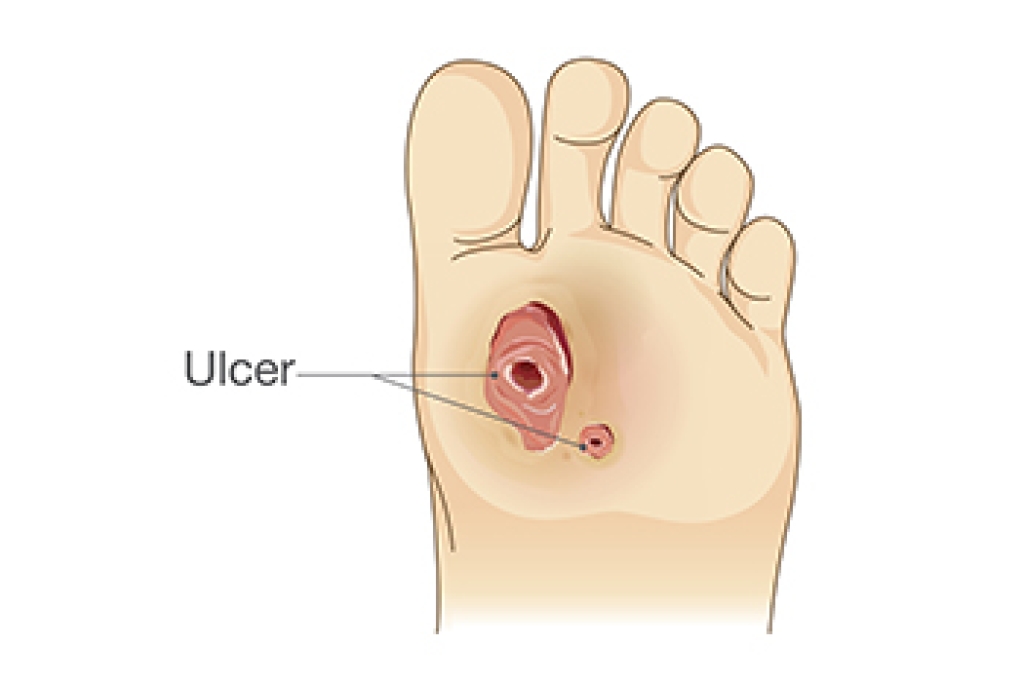
Diabetic Foot Ulcers and the Importance of Early Care

A diabetic foot ulcer is an open sore or wound that develops on the foot due to complications of diabetes, often related to poor circulation and nerve damage. Symptoms include redness, drainage, swelling, and slow-healing tissue. Risk factors include prolonged pressure, reduced sensation, and untreated minor injuries. Without proper care, these ulcers can worsen and lead to infection. Treatment often involves debridement to remove damaged tissue and pressure relief to protect the affected area and support healing. A podiatrist plays a key role in managing such wounds, improving circulation, and preventing complications. If you have diabetes and have developed a foot ulcer, it is strongly suggested that you are under the care of a podiatrist who can effectively treat foot wounds and help you to manage this serious condition.

Wound care is an important part in dealing with diabetes. If you have diabetes and a foot wound or would like more information about wound care for diabetics, consult with Dr. Jonathan Kletz from Texas Foot Works. Our doctor will assess your condition and provide you with quality foot and ankle treatment.

What Is Wound Care?

Wound care is the practice of taking proper care of a wound. This can range from the smallest to the largest of wounds. While everyone can benefit from proper wound care, it is much more important for diabetics. Diabetics often suffer from poor blood circulation which causes wounds to heal much slower than they would in a non-diabetic. 

What Is the Importance of Wound Care?

While it may not seem apparent with small ulcers on the foot, for diabetics, any size ulcer can become infected. Diabetics often also suffer from neuropathy, or nerve loss. This means they might not even feel when they have an ulcer on their foot. If the wound becomes severely infected, amputation may be necessary. Therefore, it is of the upmost importance to properly care for any and all foot wounds.

How to Care for Wounds

The best way to care for foot wounds is to prevent them. For diabetics, this means daily inspections of the feet for any signs of abnormalities or ulcers. It is also recommended to see a podiatrist several times a year for a foot inspection. If you do have an ulcer, run the wound under water to clear dirt from the wound; then apply antibiotic ointment to the wound and cover with a bandage. Bandages should be changed daily and keeping pressure off the wound is smart. It is advised to see a podiatrist, who can keep an eye on it.

If you have any questions please contact one of our our offices located in Dallas, Athens, and Gun Barrel City, TX . We offer the newest diagnostic and treatment technologies for all your foot and ankle needs.

Read more about Wound Care

Are Bunions Affecting Your Everyday Life?

Have you noticed a bony protrusion on the side of your big toe? If so, you may have developed the foot condition known as a bunion. Don't let bunions interfere with your daily activities.

Symptoms and Causes of Flat Feet

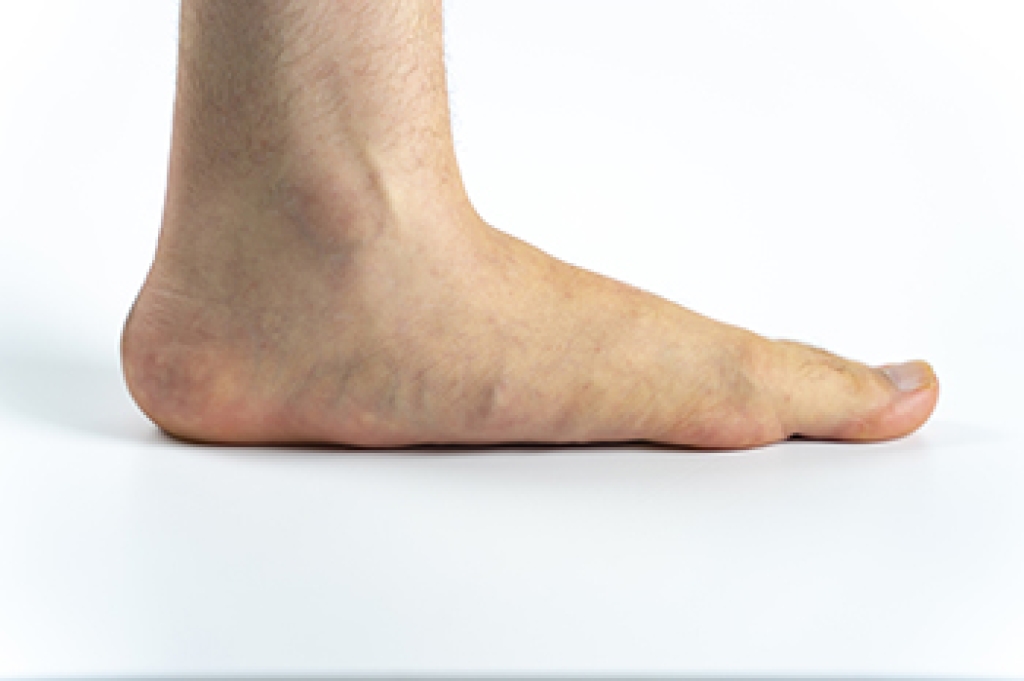
Flat feet occur when the arch on the inside of the foot is low or missing, causing most of the sole to touch the ground while standing or walking. The arch helps absorb shock and spread body weight during movement. When it flattens, the foot may roll inward and place strain on muscles and joints. Some people with flat feet have no symptoms, but others develop pain in the arch, heel, or ankle. Pain often worsens after long periods of standing or walking. Swelling along the inside of the ankle, tired feet, or shoes wearing out unevenly may also occur. Flat feet may develop when arches fail to form during childhood, or when supportive tissues weaken with age. Injury, arthritis, excess body weight, or inherited conditions can also affect foot structure. If you have flat feet, it is suggested that you make an appointment with a podiatrist for an exam, diagnosis, and treatment.

Flatfoot is a condition many people suffer from. If you have flat feet, contact Dr. Jonathan Kletz from Texas Foot Works. Our doctor will treat your foot and ankle needs.

What Are Flat Feet?

Flatfoot is a condition in which the arch of the foot is depressed and the sole of the foot is almost completely in contact with the ground. About 20-30% of the population generally has flat feet because their arches never formed during growth.

Conditions & Problems:

Having flat feet makes it difficult to run or walk because of the stress placed on the ankles.

Alignment – The general alignment of your legs can be disrupted, because the ankles move inward which can cause major discomfort.

Knees – If you have complications with your knees, flat feet can be a contributor to arthritis in that area.  

Symptoms

  • Pain around the heel or arch area
  • Trouble standing on the tip toe
  • Swelling around the inside of the ankle
  • Flat look to one or both feet
  • Having your shoes feel uneven when worn

Treatment

If you are experiencing pain and stress on the foot you may weaken the posterior tibial tendon, which runs around the inside of the ankle. 

If you have any questions, please feel free to contact one of our our offices located in Dallas, Athens, and Gun Barrel City, TX . We offer the newest diagnostic and treatment technologies for all your foot care needs.
Read more about Flatfoot
Connect with us
Leave Google Review for podiatrist Jonathan M. Kletz, DPM of Texas Foot Works

Podiatrist Jonathan M. Kletz, DPM of Facebook Foot Doctor Jonathan M. Kletz, DPM on Twitter Podiatry Bog of Texas